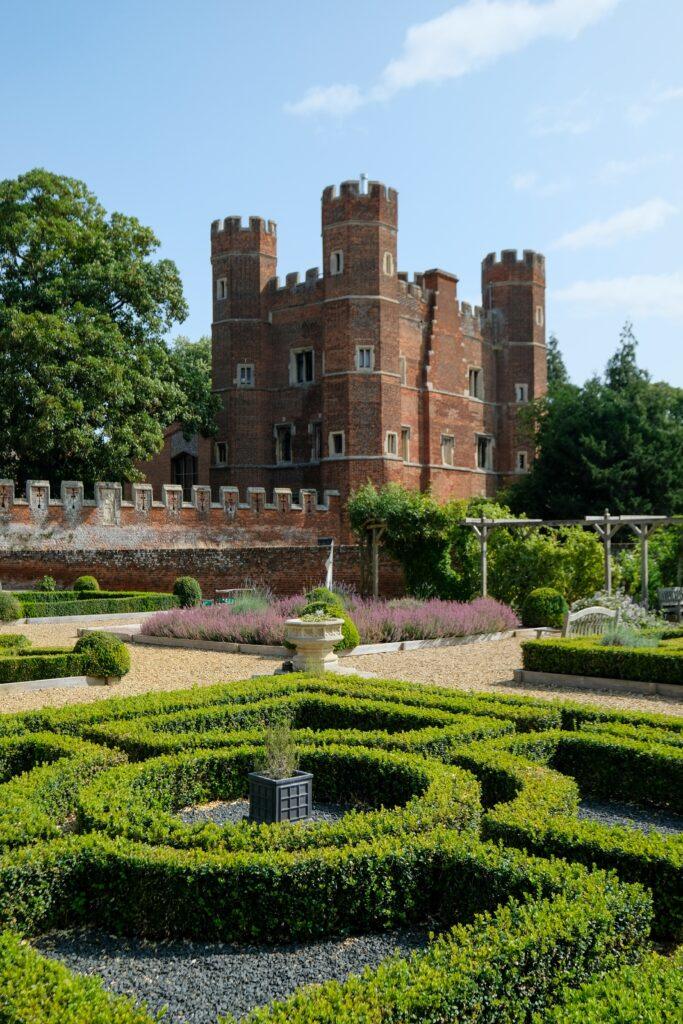
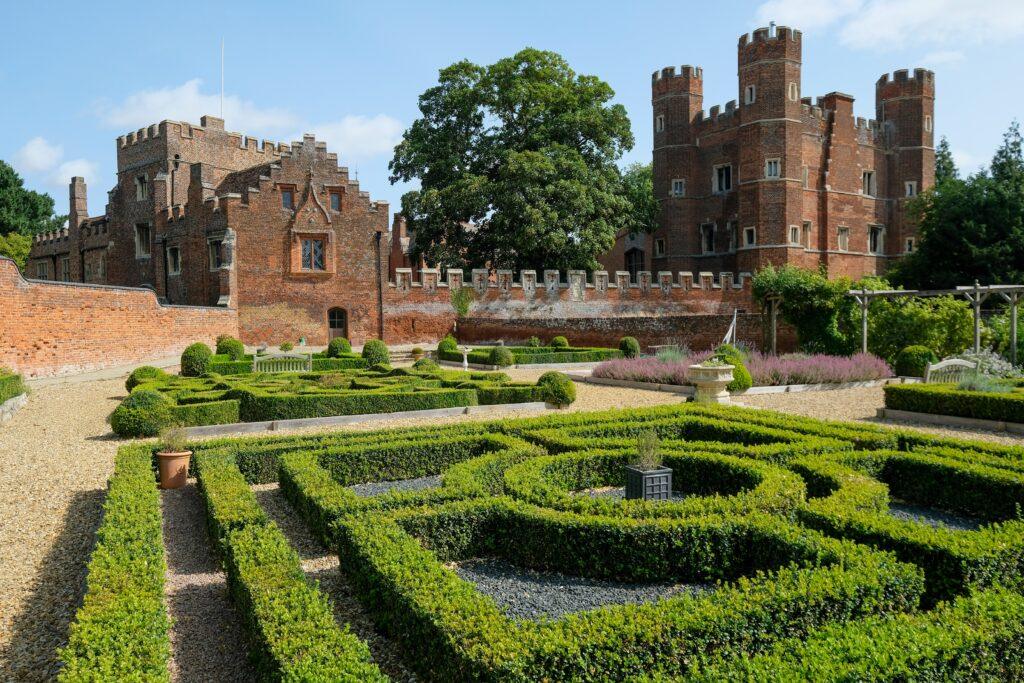
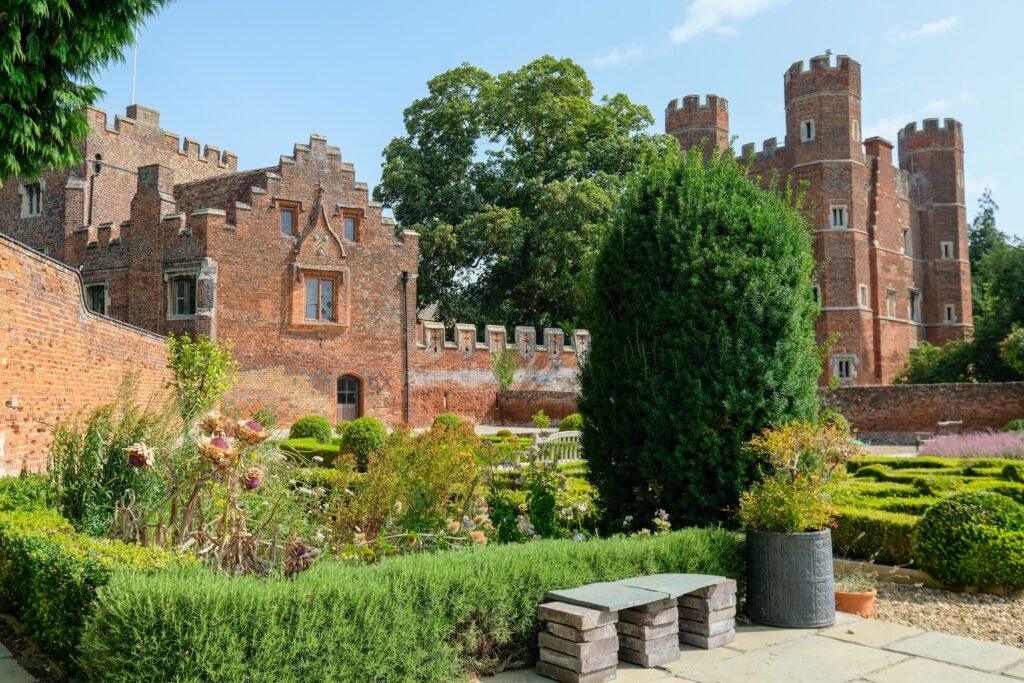
Buckden Towers (formerly known as Buckden Palace) was not just a residence to Bishops but has been the backdrop to many turbulent events in English history, boasting centuries of secrets within its ancient walls.
A Residence for Bishops – Buckden Towers, originally known as Buckden Palace, served as the residence of the Bishops of Lincoln from the 12th century until 1842. It was an important religious and administrative centre during the medieval period.
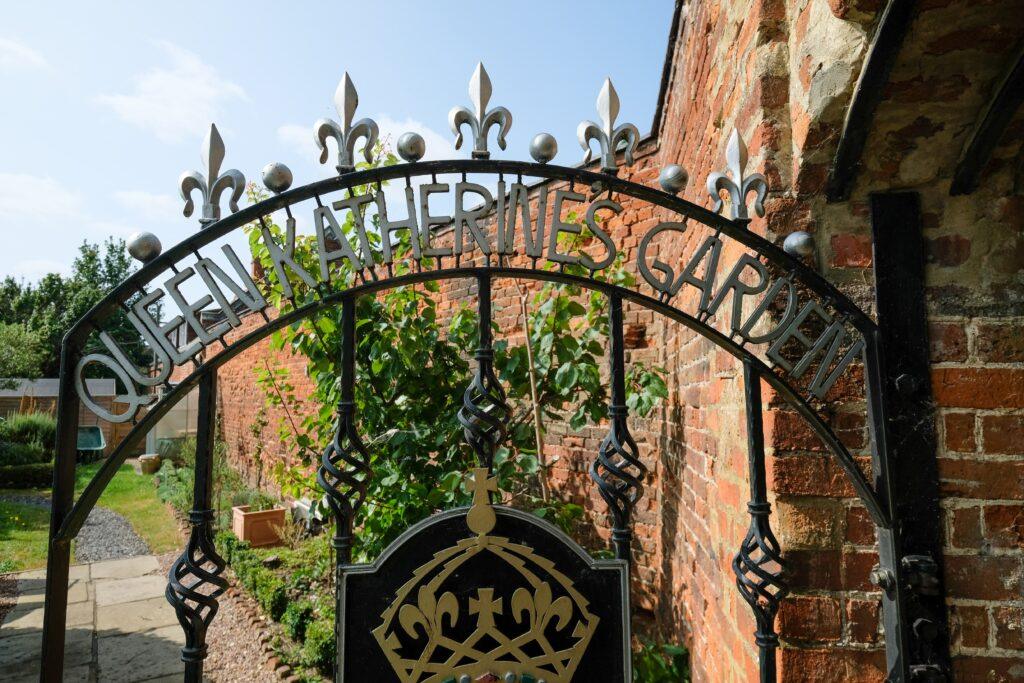
Queen Katharine of Aragon’s (temporary) home – In 1533, after her divorce from King Henry VIII, Katharine of Aragon was sent to Buckden Towers before being moved to Kimbolton Castle, where she later died.
Royal Visitors – Several English monarchs visited Buckden Towers over the centuries, including King Henry III, Edward I, and Henry VIII, highlighting its significance as an important ecclesiastical and political site.
St. Hugh and His Loyal Swan – At the entrance of the towers, a statue of St. Hugh stands proudly, accompanied by his beloved swan. According to legend, St. Hugh, known for his kindness toward children and animals, managed to tame an unruly swan, turning it into a loyal companion. Villagers would often see him walking through the streets, his faithful feathered friend always by his side.
Shakespearean Connections – In September 1631 Bishop John Williams of Buckden (1625-1642) hosted a stage performance of a Midsummer Night’s Dream. The play started at 10:00 on a Saturday Morning and continued until the early hours of Sunday morning. The Bishop was punished by the Archbishop of Canterbury for “desecration of the Sabbath” and was directed to construct a free school in Eaton or Great Staughton and pay £20:00 p.a. for the maintenance of a school master*
*Sweeney, M.M. 1990. A History of Buckden.
A Modern Religious Community – In the 20th century, the site became home to the Claretian Missionaries, a Roman Catholic religious order that still occupies and maintains the property today, preserving its historic significance.
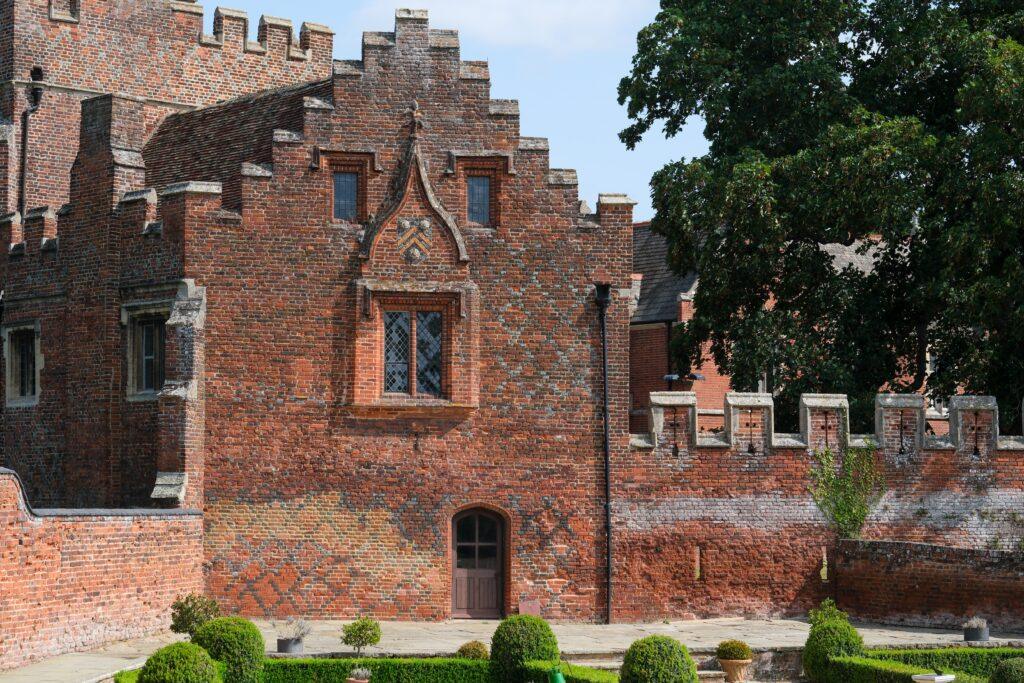
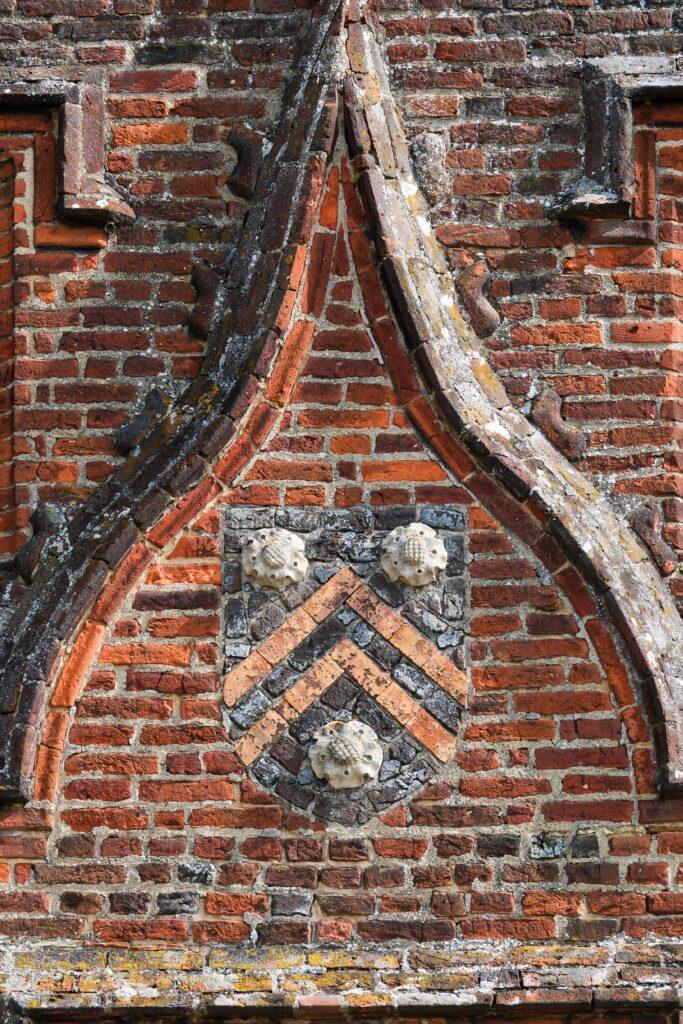
Tudor Brickwork – The remaining red-brick tower and gatehouse are examples of Tudor brickwork, signifying wealth and prestige in the 15th century. The brickwork was commissioned by Bishop Thomas Rotherham, who also played a role in building parts of Lincoln Cathedral.